
Recommended materials
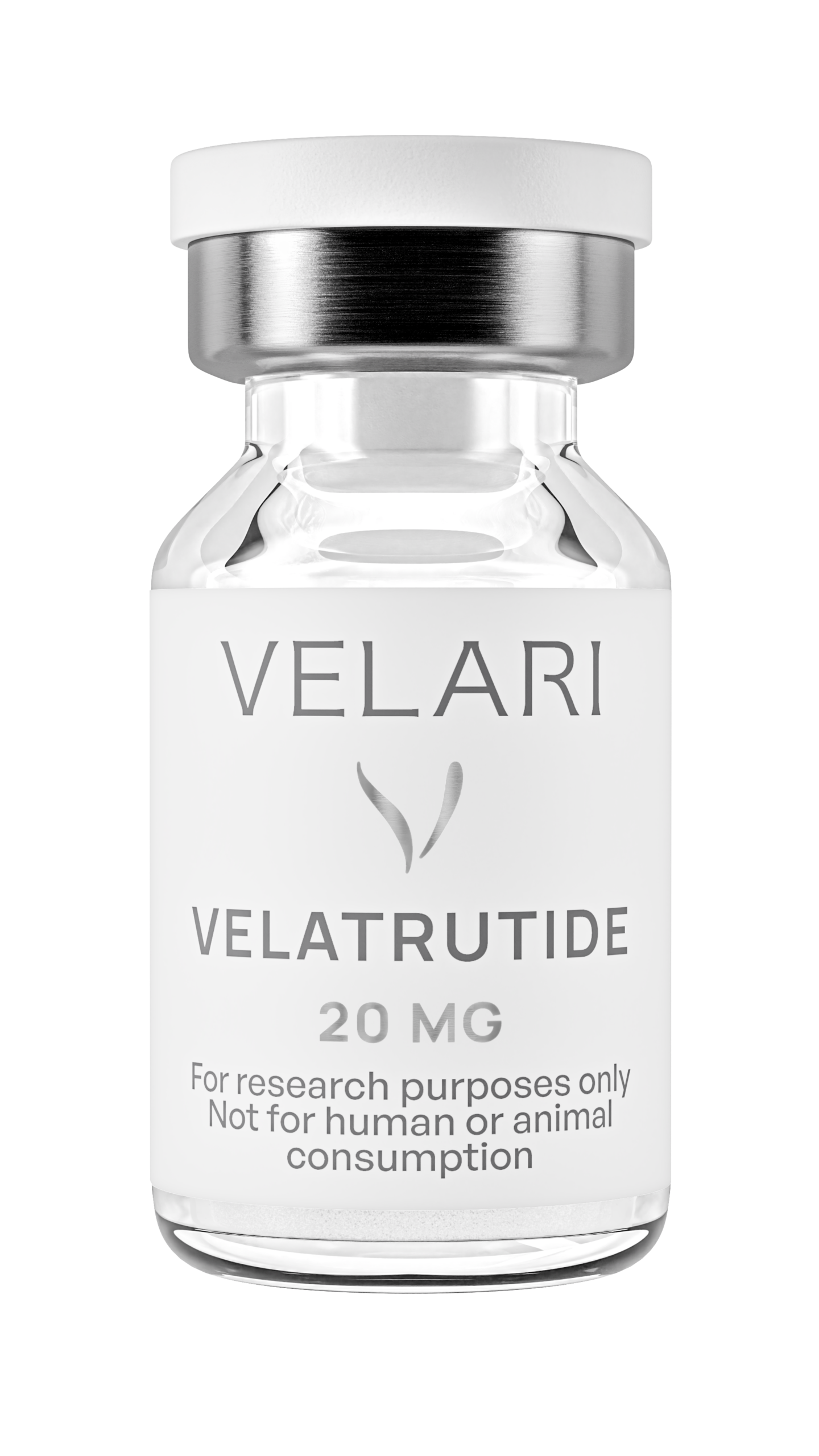
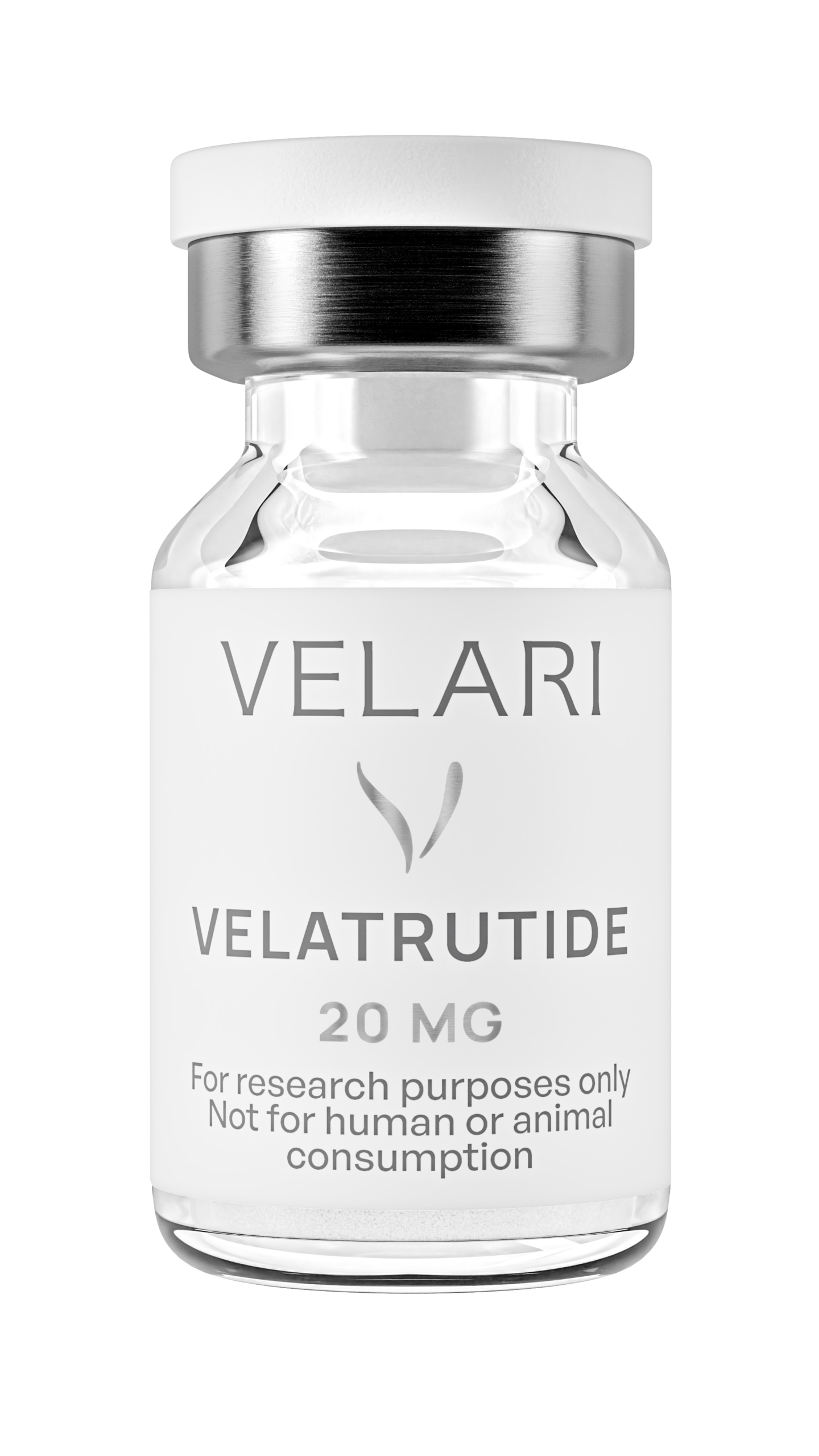
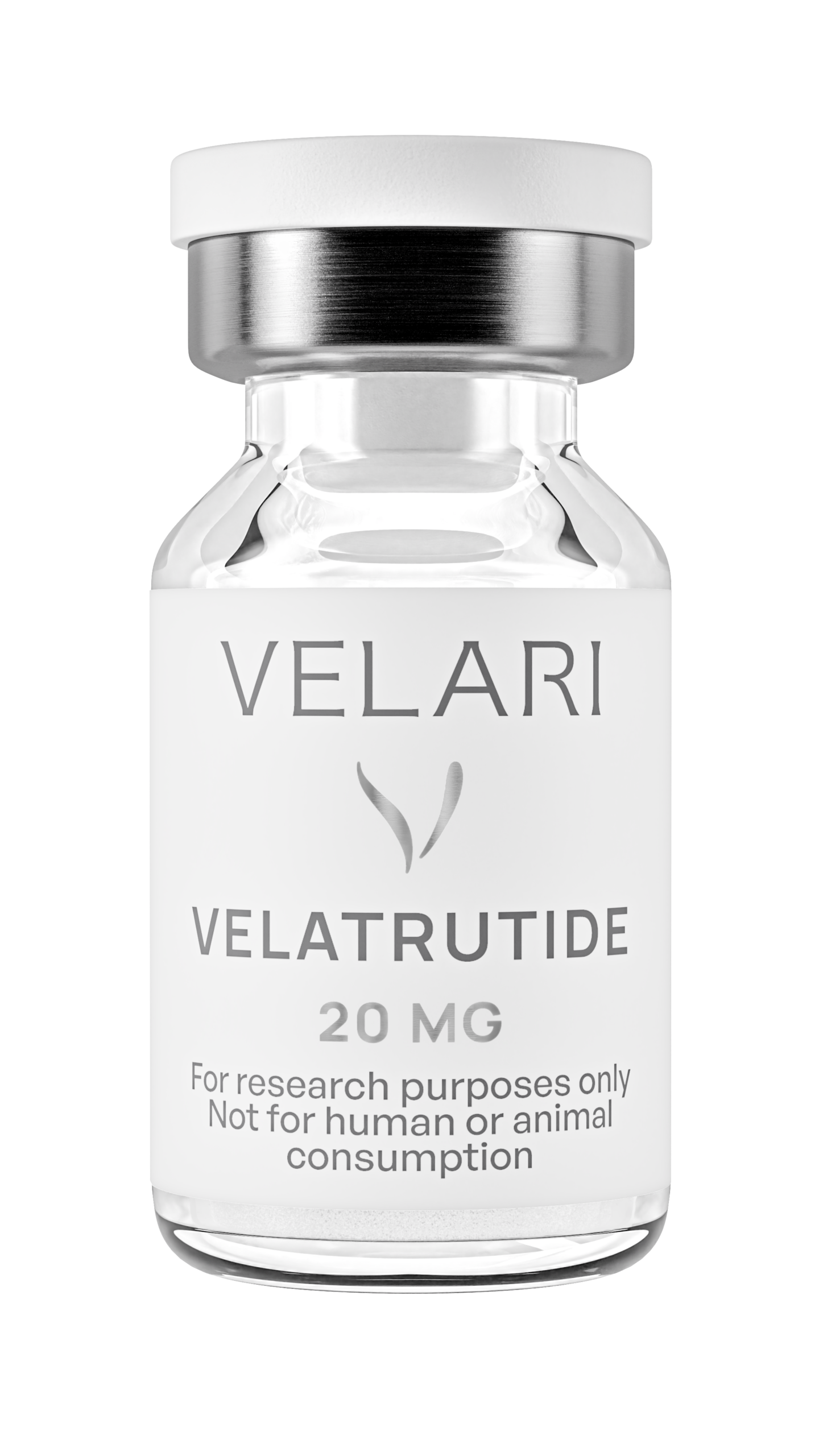
- Lyophilized peptide vial (powder)
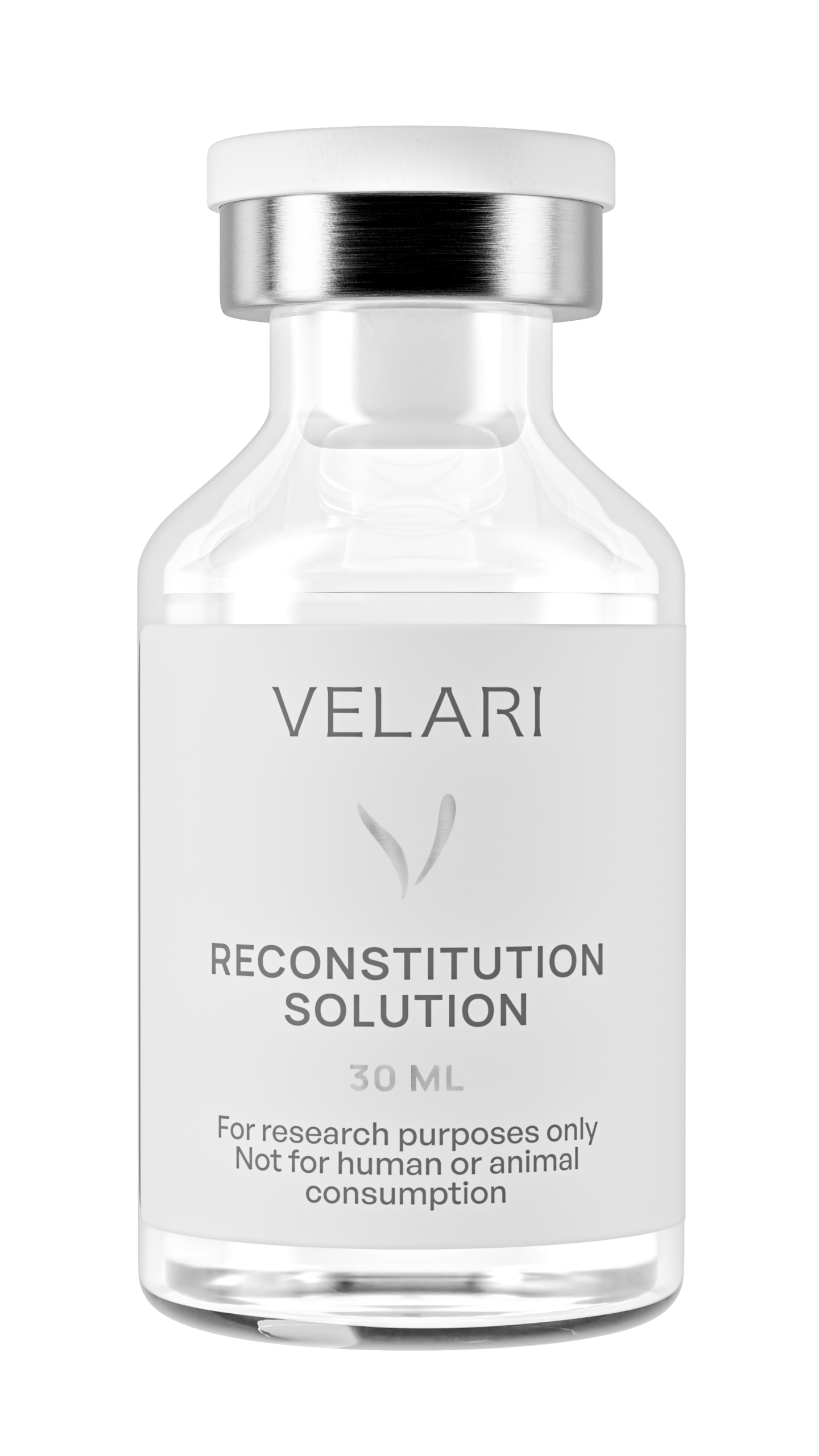
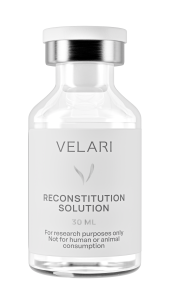
- Reconstitution solution
- Insulin syringe (1 mL / 100 IU)
- Alcohol swabs
- Sterile syringe for transferring water
- Refrigerator (for storage)
Vial size
- 30 ml vial
About this diluent
Sterile reconstitution solution with 0.9% benzyl alcohol preservative. Used to reconstitute lyophilized peptides and research compounds.
Step-by-step use for reconstitution
- Clean the vials — Wipe the rubber tops of both the peptide vial and reconstitution solution vial with alcohol swabs.
- Draw reconstitution solution — Use a sterile syringe. Pull the desired amount of reconstitution solution (e.g., 2 mL).
- Inject water slowly — Inject the water slowly along the side of the vial. Do NOT inject directly on the powder (can damage the peptide).
- Dissolve the peptide — Gently swirl the vial. Do not shake. The powder should dissolve completely within a few minutes.
- Storage — Store the reconstituted peptide in the refrigerator (2–8°C).
Safety note: Use PPE and aseptic technique; follow institutional biosafety and disposal procedures.
Research Uses & Applications
Reconstitution solution is sterile purified water containing a preservative (commonly benzyl alcohol) that limits bacterial growth during repeated vial access. It is used in laboratory settings to prepare solutions of research compounds and peptides.
Research Peptide Reconstitution
Dissolves lyophilized peptides to create concentrated stock solutions. Helps maintain sterility during repeated vial access compared with plain water.
Common Research Peptides Reconstituted with Reconstitution Solution
Researchers often use reconstitution solution for peptides such as:
- BPC‑157
- TB‑500
- GHK‑Cu
- MOTS‑c

Preparing Stock Solutions
Reconstitution solution is used to make defined-concentration peptide stocks for dose–response and stability tests. Supports accurate pipetting and reproducible dilution series in experiments.

Common Research Peptides Reconstituted with Reconstitution Solution
Researchers often use reconstitution solution for peptides such as:
- BPC‑157
- TB‑500
- GHK‑Cu
- MOTS‑c
Multi-Dose Vial Handling in Labs
Allows repeated vial access while reducing contamination risk during experimental workflows; supports safe aliquoting and short-term use.

Common Research Peptides Reconstituted with Reconstitution Solution
Researchers often use reconstitution solution for peptides such as:
- BPC‑157
- TB‑500
- GHK‑Cu
- MOTS‑c
Assay & Reagent Preparation
Serves as a sterile diluent for preparing standards, controls, and reagents used in biochemical and analytical assays.

Common Research Peptides Reconstituted with Reconstitution Solution
Researchers often use reconstitution solution for peptides such as:
- BPC‑157
- TB‑500
- GHK‑Cu
- MOTS‑c
REFERENCES
- National Library of Medicine. (n.d.). BACTERIOSTATIC WATER for Injection, USP (DailyMed drug label).
- The Joint Commission. (2026, April 23). Managing multi-dose vials of injectable medication (Standards FAQ).
- Meyer, B. K., Ni, A., Hu, B., & Shi, L. (2007). Antimicrobial preservative use in parenteral products: Past and present. Journal of Pharmaceutical Sciences, 96(12), 3155–3167.
Research Context
Reconstitution solution is a sterile preparation of purified water containing a small amount of benzyl alcohol as a preservative—commonly ~0.9% v/v. It is used as a reconstitution solution to dilute or dissolve research compounds and to help reduce contamination risk during multi-dose vial use.
For laboratory research use only. Not intended for human or animal use.

TECHNICAL SPECIFICATIONS
| CAS Number | N/A |
| Molecular Formula | H2O with benzyl alcohol preservative (~0.9% v/v) |
| Molecular Weight | N/A |
| Chemical Class | Sterile diluent with preservative (sterile diluent with reconstitution solution) |
| Appearance | Clear, colorless, sterile aqueous solution in single- or multi-dose vial |
| Storage | Controlled room temperature (20–25°C / 68–77°F) |
Frequently Asked Questions
Sterile water for injection that contains 0.9% benzyl alcohol as a preservative to inhibit bacterial growth in multi-dose vials.
Reconstitution solution contains a preservative (benzyl alcohol) and is intended for multi-use; sterile/plain water has no preservative and is usually single-use.
Diluting or reconstituting lyophilized drugs/peptides, preparing multi-dose solutions, and other laboratory or clinical preparation steps that may require multiple withdrawals.
Many peptides are compatible, but always check the product-specific stability/compatibility data and manufacturer instructions before use.
Store in the original container at controlled room temperature (20–25°C / 68–77°F), protected from heat and direct sunlight. Follow manufacturer expiration date.
Keep capped tightly, refrigerate 2–8°C if practical, label with date opened, and use within manufacturer or institutional recommended timeframe (commonly ~28 days).
Avoid freezing and repeated freeze–thaw cycles, as this can compromise container integrity and preservative performance.
Use aseptic technique for each withdrawal; limit punctures per institutional policy and discard if sterility is in doubt. Follow the vial’s manufacturer guidance.
This product is sold for laboratory research use only under Section 351 of the Public Health Service Act and is not intended for use in humans or animals, or for any diagnostic, therapeutic, cosmetic, or veterinary purpose. By purchasing, you confirm that you are properly trained, licensed (if required), and have the appropriate facilities and equipment to handle research compounds safely and in full compliance with all local, state, and federal laws and regulations. Velari Labs assumes no liability for misuse, improper handling, or unauthorized use, and you affirm that this material will not be introduced into interstate commerce or used in any food, drug, or related consumer products.