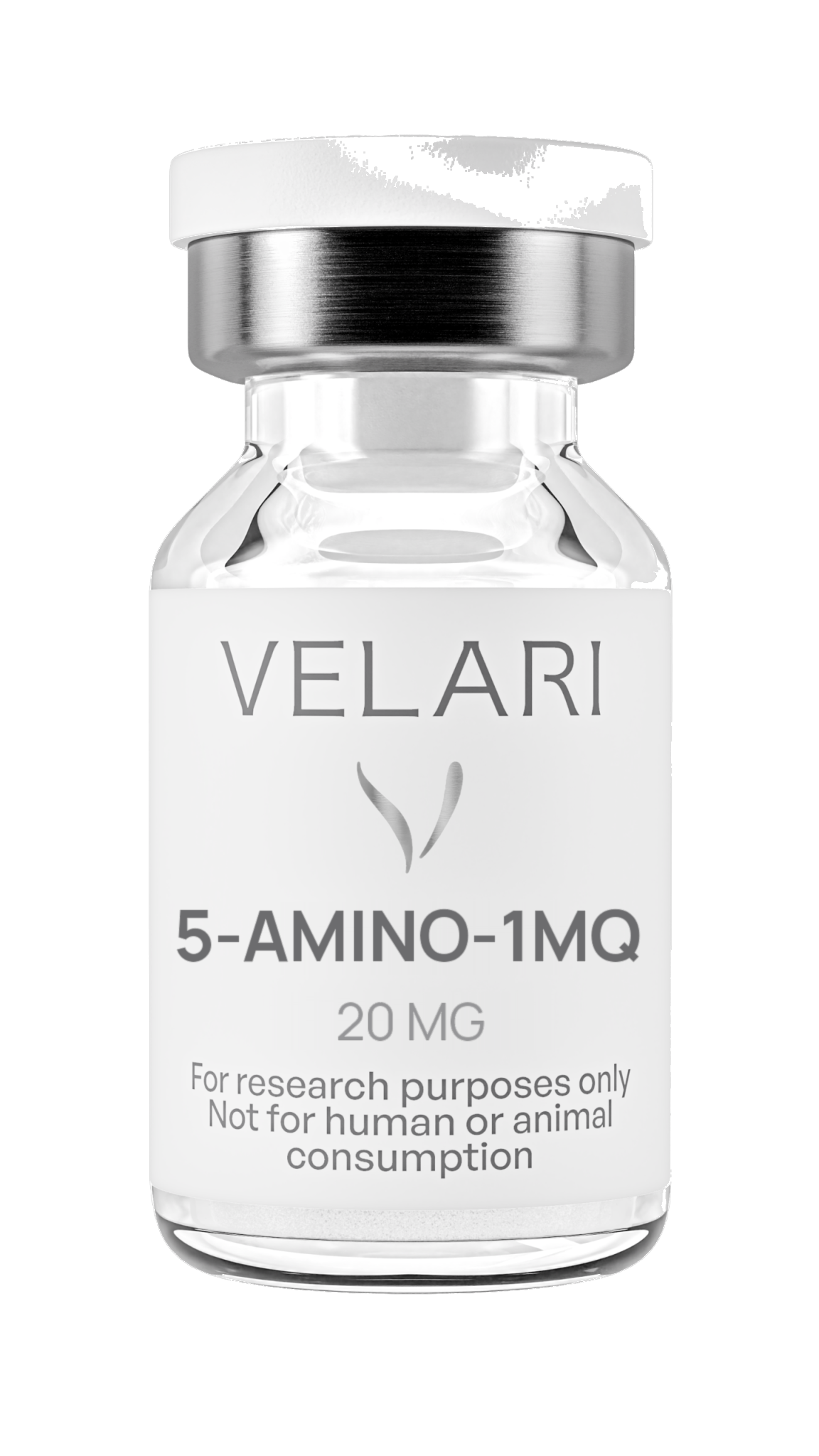
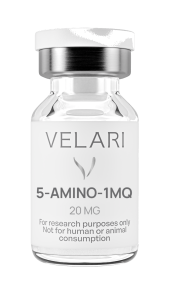
5-Amino-1MQ 20mg

5-Amino-1MQ — Velari Small Molecule, 20mg, 99% purity. A cell-permeable NNMT inhibitor studied for its role in metabolic programming and the regulation of cellular energy homeostasis. For laboratory research use only. Not intended for human or animal use.

Product Overview

Velari Labs is proud to introduce 5-Amino-1MQ, a cutting-edge small molecule inhibitor of the enzyme Nicotinamide N-methyltransferase (NNMT). As metabolism and cellular energy expenditure become central pillars of scientific research, the ability to selectively modulate specific enzymatic pathways has become paramount. At Velari Labs, we synthesize 5-Amino-1MQ to 99%+ purity.

5-Amino-1MQ – Velari Labs: Advanced Research Grade Small Molecule

Velari Labs is proud to introduce 5-Amino-1MQ (1-methyl-4-phenylpyridinium analog), a cutting-edge small molecule inhibitor of the enzyme Nicotinamide N-methyltransferase (NNMT). As metabolism and cellular energy expenditure become central pillars of scientific research, the ability to selectively modulate specific enzymatic pathways has become paramount. 5-Amino-1MQ is a cell-permeable, selective, and potent inhibitor that has become an essential tool in metabolic research, particularly in the study of fat-cell metabolism, adiposity, and metabolic health. At Velari Labs, we synthesize 5-Amino-1MQ to 99%+ purity, ensuring your laboratory results are consistent and reproducible.

The Science: NNMT Inhibition and Metabolic Homeostasis

Nicotinamide N-methyltransferase (NNMT) is an enzyme that plays a critical role in cellular methylation and energy metabolism. By methylating nicotinamide, NNMT consumes S-adenosylmethionine (SAM), which is a “universal methyl donor” involved in thousands of biochemical reactions.

In research environments, high levels of NNMT are often associated with decreased cellular energy expenditure and the accumulation of adipose tissue. 5-Amino-1MQ works by selectively inhibiting NNMT. By blocking this enzyme, the compound boosts intracellular nicotinamide levels and preserves SAM, effectively shifting the metabolic balance of the cell. This promotes a cellular environment capable of increased lipolysis and higher rates of oxidative metabolism.

Core Research Areas

1. Adipose Tissue and Metabolic Efficiency
The most promising research involving 5-Amino-1MQ explores how inhibiting NNMT can modulate the metabolic activity of white adipose tissue, encouraging cells to behave more efficiently in terms of energy dissipation and fat oxidation.

  • Scientific Study Reference: Inhibition of NNMT by 5-Amino-1MQ reverses diet-induced obesity in mouse models – A groundbreaking study demonstrating how NNMT inhibition can impact systemic obesity and glucose tolerance.

2. Cellular Methylation and Epigenetics
Because NNMT consumes SAM, it competes with other methyl-dependent pathways. By using 5-Amino-1MQ, researchers can study how changing the methyl donor availability influences gene expression and cellular aging at the epigenetic level.

  • Scientific Study Reference: NNMT as a master regulator of metabolic memory and epigenetics – An analysis of the broad roles of NNMT in metabolic and epigenetic cellular states.

3. Muscle Function and Energy Output
Researchers are exploring whether the stabilization of energy metabolism via 5-Amino-1MQ can preserve muscle function during periods of metabolic stress or caloric restriction.

  • Scientific Study Reference: NNMT inhibition and its role in skeletal muscle energy metabolism – Research detailing how enzyme regulation impacts energy pools within muscular tissue.

Quality Assurance: The Velari Labs Standard

Velari Labs mandates the highest quality control for all research reagents:

  • Purity Verified: Every lot is verified via HPLC to ensure purity of ≥99%.
  • Structural Identity: We utilize Mass Spectrometry and NMR (Nuclear Magnetic Resonance) spectroscopy to ensure the molecular structural integrity of our 5-Amino-1MQ.
  • Stable Sourcing: We maintain a closed, controlled supply chain to minimize contaminants that could compromise highly sensitive metabolic research.

Frequently Asked Questions (FAQ)

Q: Is 5-Amino-1MQ a peptide?
A: No. Unlike many of our other research materials, 5-Amino-1MQ is a small molecule inhibitor. It functions through classic enzyme inhibition kinetics rather than receptor binding architectures typical of peptides.

Q: What is the primary focus of 5-Amino-1MQ research?
A: It is used predominantly to study NNMT-mediated regulation of energy balance and fat metabolism in metabolic syndrome models.

Q: Is this product intended for human use?
A: No. We provide 5-Amino-1MQ strictly for laboratory research and analytical use. It is not a drug, nor is it intended for human or veterinary use.

Q: Why does the powder form need to be kept cold?
A: While 5-Amino-1MQ is chemically stable, storing it at -20°C prevents any potential long-term degradation caused by ambient moisture or oxidation, ensuring your stock remains potent for the duration of your research protocol.

Q: How can I verify the CoA for my batch?
A: Every order includes a batch-specific Certificate of Analysis. If you have misplaced it, please reach out with the lot number located on your vial, and our team will provide a digital copy for your records.

Why Velari Labs?

At Velari Labs, we provide the reagents that allow the global scientific community to probe the mechanics of cellular energy balance with confidence. We align ourselves with the needs of the experimental researcher—offering precision, analytical transparency, and uncompromising purity. When you choose Velari Labs for your metabolic studies, you are utilizing materials optimized for accuracy and verifiable results.

IMPORTANT: This product is a research chemical sold exclusively for in vitro research, laboratory testing, and non-clinical research applications. It is not an FDA-approved drug. It is not intended to diagnose, treat, cure, mitigate, or prevent any disease or medical condition. Not for human or veterinary use. Purchaser assumes full responsibility for compliance with all applicable federal, state, and local regulations governing the acquisition and use of research chemicals.

$59.99

Add $300.00 to cart and get free shipping!

USA

FedEx 2-Day Shipping ($15.00)

All shipments

This product does not require controlled-temperature shipping.

Verified Quality

Rigorous identity & purity verification for every batch.

Third-party Lab Tested

Independent laboratory analysis for unbiased results.

COA Available

Certificate of Analysis available for every batch.

99% Purity Standard

Manufactured to the highest purity benchmark.

RECOMMENDED WITH THIS ITEM

Reconstitution Solution – 30ml

$29.99

SUGGESTED RESEARCH COMPOUNDS

Ipamorelin 5mg

$54.99

CJC-1295 DAC 5mg

$80.99

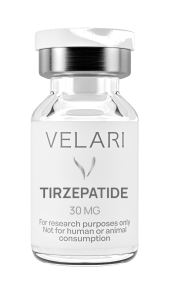
Tirzepatide 30mg

$129.99

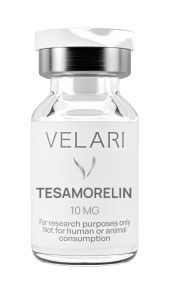
Tesamorelin 10mg

$120.99

5-Amino-1MQ 20mg

$59.99

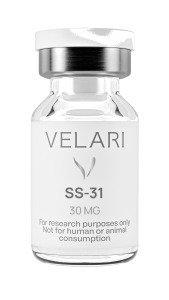
SS-31 30mg

$125.99

Handling & Storage

Lyophilized Powder

Store frozen at ≤ −20°C. For long-term storage prefer −80°C. Minimize ambient exposure.

Reconstituted Solution

Refrigerate at 2-8°C. Protect from light, keep capped.

Avoid

Repeated freeze-thaw cycles. Prolonged ambient exposure. Vigorous shaking or vortexing.

Certificate of Analysis & Lab Reports

Every batch is independently tested by an accredited third-party laboratory. Certificates of Analysis confirm purity, identity, and composition — available by lot number. This is our primary commitment to research integrity.

HPLC

High-Performance Liquid Chromatography

Confirms compound identity and
purity profile through retention time analysis.

Laboratory Research

5-Amino-1MQ 20mg is investigated in research settings for its interaction with metabolic pathways and cellular enzyme activity mechanisms.

Blood Vessel Growth

In preclinical models, BPC-157 has been observed to promote angiogenesis — the formation of new blood vessels from existing vasculature. Studies suggest it may upregulate VEGF (vascular endothelial growth factor) expression, which plays a central role in endothelial cell proliferation and vessel formation.

Research in rodent models of ischemic injury has shown accelerated vascular repair following BPC-157 administration, with increased capillary density observed at wound sites. These findings point to a potential mechanism involving nitric oxide system modulation.

Additional in vitro studies on human umbilical vein endothelial cells (HUVECs) demonstrated enhanced tube formation and migration when exposed to BPC-157, supporting the hypothesis of direct endothelial activity.

These observations remain limited to preclinical research. No clinical trials have confirmed these effects in humans.

Tissue Rebuilding

Laboratory studies have examined BPC-157’s influence on tissue regeneration across multiple connective tissue types including tendon, ligament, muscle, and bone. In rat models of Achilles tendon transection, BPC-157 treatment was associated with improved tensile strength and accelerated healing.

Fibroblast outgrowth and collagen organization appear enhanced in BPC-157–treated cultures, suggesting a role in extracellular matrix remodeling. Growth hormone receptor expression was also upregulated in some tissue repair models.

Preclinical bone defect models have shown increased osteogenic activity, though the exact signaling cascade remains under investigation. These findings are preliminary and have not been replicated in human studies.

Cell Movement & Growth

In vitro research has demonstrated that BPC-157 may influence cell migration and proliferation pathways. Scratch assay studies on fibroblast and epithelial cell lines showed accelerated wound closure rates compared to untreated controls.

Signaling pathway analysis suggests involvement of FAK (focal adhesion kinase) and paxillin phosphorylation, both critical regulators of cellular motility. MAPK/ERK pathway activation has also been observed in treated cell cultures.

These cellular-level observations provide mechanistic context for the tissue-level healing effects seen in animal models, though direct clinical translation has not been established.

Blood Flow Signaling

Research indicates BPC-157 may interact with the nitric oxide (NO) system, a key regulator of vascular tone and blood flow. In rodent models of experimentally induced hypertension and hypotension, BPC-157 appeared to normalize blood pressure toward baseline values.

Studies have shown modulation of both endothelial nitric oxide synthase (eNOS) and inducible NOS (iNOS) expression in treated vascular tissues. This dual-directional activity is unusual among peptide compounds studied in this context.

Dopaminergic and serotonergic system interactions have also been noted, suggesting possible cross-talk between vascular signaling and neurotransmitter regulation. All findings remain preclinical.

Cell Communication

Preclinical research has explored BPC-157’s influence on intercellular signaling cascades. GAP junction activity and paracrine signaling appear modulated in BPC-157–treated tissue cultures, potentially enhancing coordinated cellular responses during repair processes.

Cytokine profiling in inflammatory models has shown altered expression of TNF-α, IL-6, and IL-10, suggesting immunomodulatory properties that may contribute to the tissue-protective effects observed in vivo.

Gene expression studies have identified upregulation of growth factor receptors and wound-healing associated genes, though the precise molecular targets of BPC-157 remain an active area of investigation. No clinical data currently support these mechanisms in humans.

Research Context

5-Amino-1MQ 20mg is a research-grade compound supplied exclusively for in vitro and preclinical laboratory investigation. It is studied in controlled research settings for its interactions with biological pathways of scientific interest. All observations described on this page are derived from published peer-reviewed literature and do not constitute medical claims.

For laboratory research use only. Not intended for human or animal use.

TECHNICAL SPECIFICATIONS

CAS Number 105672-88-2
Molecular Formula C6H9N3
Molecular Weight 123.16 g/mol
Chemical Class Nicotinamide N-methyltransferase (NNMT) Inhibitor
Solubility Soluble in water, DMSO, or ethanol through standard laboratory dilution methods.
Storage (Powder) Store at -20°C in a dry, dark, and moisture-free environment. Stable for 24 months.
Storage (Solution) Store at 2–8°C for up to 7 days. Prepare fresh aliquots for long-term viability.
SUPPORT & RESOURCES

Frequently Asked Questions

How should 5-Amino-1MQ 20mg be stored?

Lyophilized (powder) form: Store at ≤ −20°C. For long-term storage, −80°C is preferred. Keep sealed and protect from light and moisture. Reconstituted solution: Refrigerate at 2–8°C, keep capped. Avoid repeated freeze–thaw cycles.

Is 5-Amino-1MQ 20mg intended for human or veterinary use?

No. This product is sold exclusively as a research chemical for in vitro and preclinical laboratory investigation. It is not an FDA-approved drug and is not intended to diagnose, treat, cure, or prevent any disease or medical condition. Not for human or veterinary use.

Can 5-Amino-1MQ 20mg be combined with other peptides in research?

Some researchers combine peptides in preclinical protocols to study potential synergistic effects. Combination protocols should be based on peer-reviewed literature and institutional approval.

Which routes of administration are used in preclinical studies?

Published preclinical studies have used intraperitoneal, subcutaneous, intragastric, and topical routes of administration. Route selection depends on the research model and target tissue.

What are 5-Amino-1MQ 20mg’s main areas of preclinical study?

Preclinical research has explored this compound in controlled laboratory settings using cell cultures and animal models. Specific research areas vary by compound. All findings are limited to in vitro and animal studies and do not constitute evidence of efficacy in humans.

What quality documentation is available?

Velari Labs provides a Certificate of Analysis (COA) for every batch, including HPLC purity data and identity confirmation from an accredited third-party laboratory. COAs are available by lot number upon request.

This product is sold for laboratory research use only under Section 351 of the Public Health Service Act and is not intended for use in humans or animals, or for any diagnostic, therapeutic, cosmetic, or veterinary purpose. By purchasing, you confirm that you are properly trained, licensed (if required), and have the appropriate facilities and equipment to handle research compounds safely and in full compliance with all local, state, and federal laws and regulations. Velari Labs assumes no liability for misuse, improper handling, or unauthorized use, and you affirm that this material will not be introduced into interstate commerce or used in any food, drug, or related consumer products.