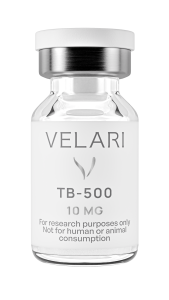
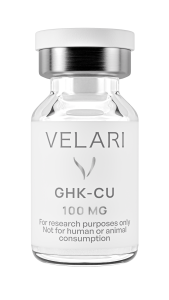

Laboratory Research
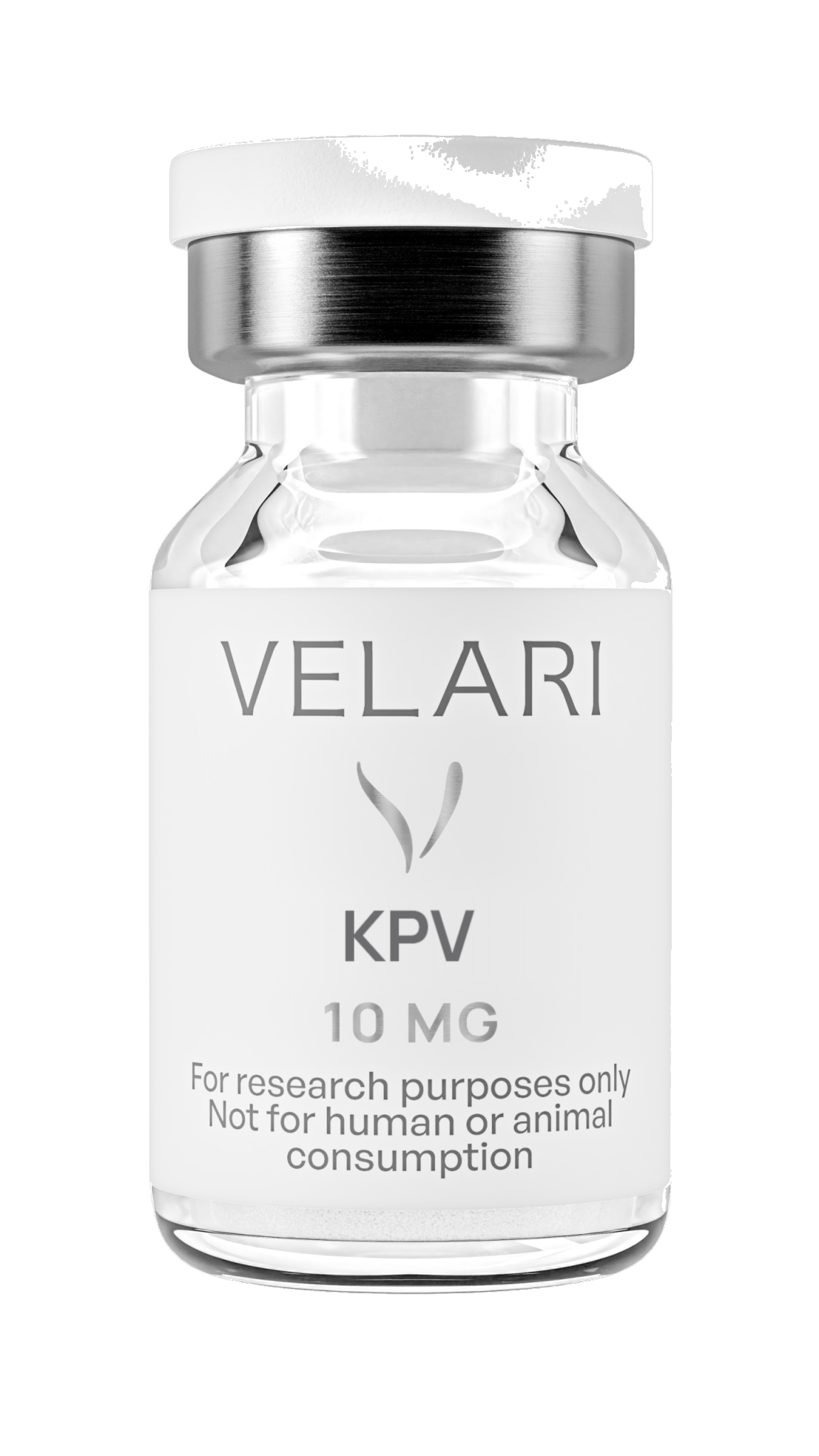
KPV 10mg is studied in research models for its interaction with inflammatory pathways and biological processes related to cellular regulation.
Blood Vessel Growth
In preclinical models, BPC-157 has been observed to promote angiogenesis — the formation of new blood vessels from existing vasculature. Studies suggest it may upregulate VEGF (vascular endothelial growth factor) expression, which plays a central role in endothelial cell proliferation and vessel formation.
Research in rodent models of ischemic injury has shown accelerated vascular repair following BPC-157 administration, with increased capillary density observed at wound sites. These findings point to a potential mechanism involving nitric oxide system modulation.
Additional in vitro studies on human umbilical vein endothelial cells (HUVECs) demonstrated enhanced tube formation and migration when exposed to BPC-157, supporting the hypothesis of direct endothelial activity.
These observations remain limited to preclinical research. No clinical trials have confirmed these effects in humans.

Tissue Rebuilding
Laboratory studies have examined BPC-157’s influence on tissue regeneration across multiple connective tissue types including tendon, ligament, muscle, and bone. In rat models of Achilles tendon transection, BPC-157 treatment was associated with improved tensile strength and accelerated healing.
Fibroblast outgrowth and collagen organization appear enhanced in BPC-157–treated cultures, suggesting a role in extracellular matrix remodeling. Growth hormone receptor expression was also upregulated in some tissue repair models.
Preclinical bone defect models have shown increased osteogenic activity, though the exact signaling cascade remains under investigation. These findings are preliminary and have not been replicated in human studies.

Cell Movement & Growth
In vitro research has demonstrated that BPC-157 may influence cell migration and proliferation pathways. Scratch assay studies on fibroblast and epithelial cell lines showed accelerated wound closure rates compared to untreated controls.
Signaling pathway analysis suggests involvement of FAK (focal adhesion kinase) and paxillin phosphorylation, both critical regulators of cellular motility. MAPK/ERK pathway activation has also been observed in treated cell cultures.
These cellular-level observations provide mechanistic context for the tissue-level healing effects seen in animal models, though direct clinical translation has not been established.

Blood Flow Signaling
Research indicates BPC-157 may interact with the nitric oxide (NO) system, a key regulator of vascular tone and blood flow. In rodent models of experimentally induced hypertension and hypotension, BPC-157 appeared to normalize blood pressure toward baseline values.
Studies have shown modulation of both endothelial nitric oxide synthase (eNOS) and inducible NOS (iNOS) expression in treated vascular tissues. This dual-directional activity is unusual among peptide compounds studied in this context.
Dopaminergic and serotonergic system interactions have also been noted, suggesting possible cross-talk between vascular signaling and neurotransmitter regulation. All findings remain preclinical.

Cell Communication
Preclinical research has explored BPC-157’s influence on intercellular signaling cascades. GAP junction activity and paracrine signaling appear modulated in BPC-157–treated tissue cultures, potentially enhancing coordinated cellular responses during repair processes.
Cytokine profiling in inflammatory models has shown altered expression of TNF-α, IL-6, and IL-10, suggesting immunomodulatory properties that may contribute to the tissue-protective effects observed in vivo.
Gene expression studies have identified upregulation of growth factor receptors and wound-healing associated genes, though the precise molecular targets of BPC-157 remain an active area of investigation. No clinical data currently support these mechanisms in humans.

Research Context
KPV 10mg is a research-grade compound supplied exclusively for in vitro and preclinical laboratory investigation. It is studied in controlled research settings for its interactions with biological pathways of scientific interest. All observations described on this page are derived from published peer-reviewed literature and do not constitute medical claims.
For laboratory research use only. Not intended for human or animal use.

TECHNICAL SPECIFICATIONS
| CAS Number | 127264-14-6 |
| Molecular Formula | C16H28N4O4 |
| Molecular Weight | 340.42 g/mol |
| Amino Acid Sequence | Lys-Pro-Val (K-P-V) |
| Chemical Class | Synthetic Tripeptide (C-terminal analog of alpha-MSH) |
| Solubility | Soluble in water, PBS, or sterile saline. |
| Storage (Lyophilized) | Store at -20°C in a desiccated, moisture-free environment. Stable for up to 24 months. |
| Storage (Reconstituted) | Store at 2–8°C for up to 7–14 days. Aliquot and store at -20°C for extended studies. |
Frequently Asked Questions
Lyophilized (powder) form: Store at ≤ −20°C. For long-term storage, −80°C is preferred. Keep sealed and protect from light and moisture. Reconstituted solution: Refrigerate at 2–8°C, keep capped. Avoid repeated freeze–thaw cycles.
No. This product is sold exclusively as a research chemical for in vitro and preclinical laboratory investigation. It is not an FDA-approved drug and is not intended to diagnose, treat, cure, or prevent any disease or medical condition. Not for human or veterinary use.
Some researchers combine peptides in preclinical protocols to study potential synergistic effects. Combination protocols should be based on peer-reviewed literature and institutional approval.
Published preclinical studies have used intraperitoneal, subcutaneous, intragastric, and topical routes of administration. Route selection depends on the research model and target tissue.
Preclinical research has explored this compound in controlled laboratory settings using cell cultures and animal models. Specific research areas vary by compound. All findings are limited to in vitro and animal studies and do not constitute evidence of efficacy in humans.
Velari Labs provides a Certificate of Analysis (COA) for every batch, including HPLC purity data and identity confirmation from an accredited third-party laboratory. COAs are available by lot number upon request.
This product is sold for laboratory research use only under Section 351 of the Public Health Service Act and is not intended for use in humans or animals, or for any diagnostic, therapeutic, cosmetic, or veterinary purpose. By purchasing, you confirm that you are properly trained, licensed (if required), and have the appropriate facilities and equipment to handle research compounds safely and in full compliance with all local, state, and federal laws and regulations. Velari Labs assumes no liability for misuse, improper handling, or unauthorized use, and you affirm that this material will not be introduced into interstate commerce or used in any food, drug, or related consumer products.